
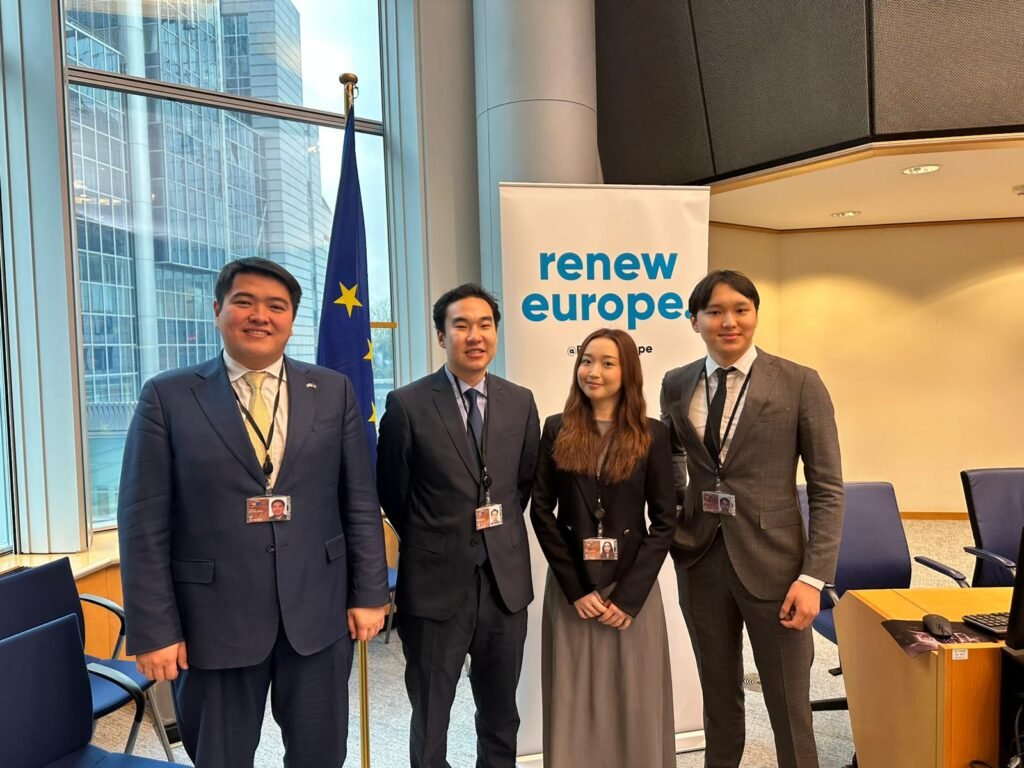
Brussels, 19 November 2025 — Representatives of the Kazakhstan–EU Gateway took part in a high-level event at the European Parliament dedicated to “Strengthening EU–Kazakhstan Connectivity.” The meeting gathered Ambassador of Kazakhstan to Belgium and Luxembourg Roman Vassilenko, deputies of the Mazhilis of the Republic of Kazakhstan, representatives of the EBRD and Kazakh Invest, various partners, and Members of the European Parliament.
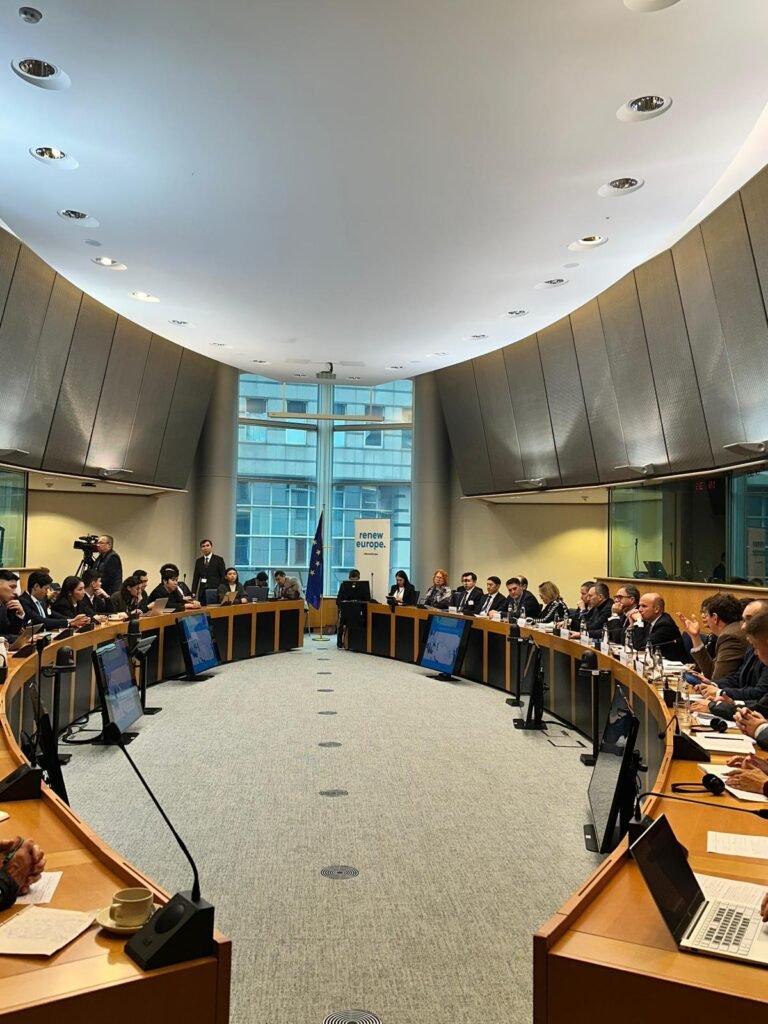
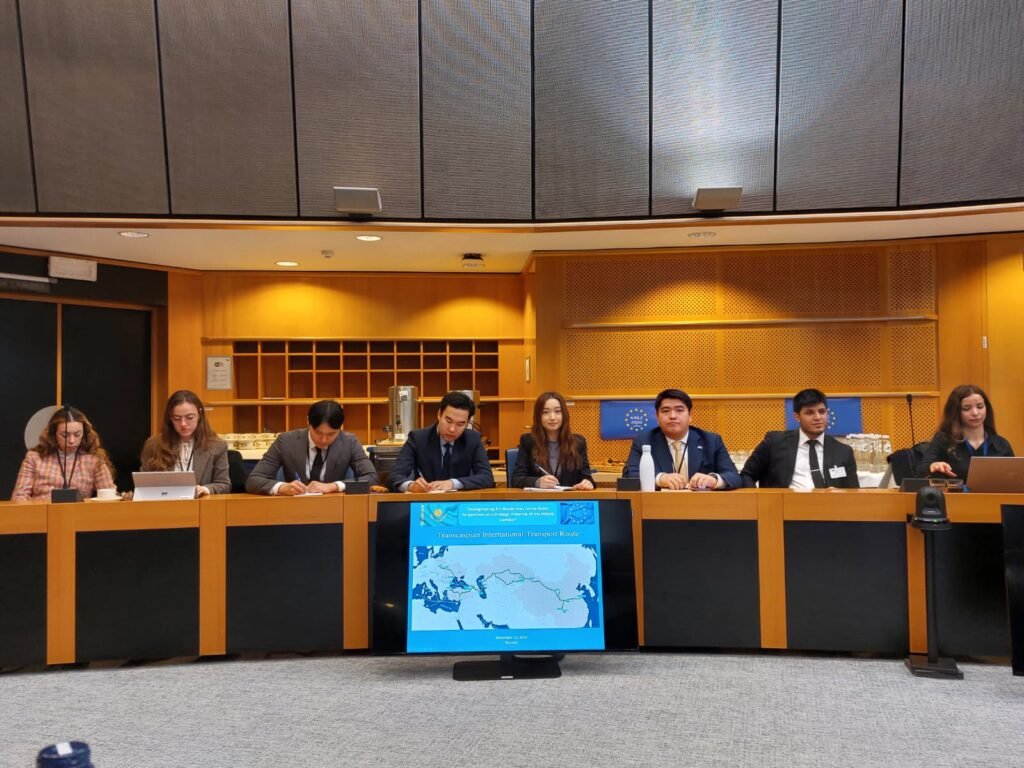
The discussions focused on the growing strategic role of the Trans-Caspian International Transport Route (TITR), which is rapidly emerging as a reliable route connecting Central Asia and Europe. Speakers noted Kazakhstan’s efforts to modernise infrastructure and digitalise transit procedures. The Middle Corridor was highlighted as a strategic platform for industrial cooperation, logistics development, and economic partnership. For the EU, it supports supply-chain diversification and reduces dependence on unstable transit routes.
Key topics included Critical Raw Materials, green economy cooperation, interconnectivity in transport and digitalisation, and the expansion and regulatory harmonisation of the Middle Corridor. Kazakh Invest presented Kazakhstan’s investment priorities and key companies operating in the port of Aktau and Kuryk, while the EBRD outlined its engagement in sustainable transport and infrastructure projects.
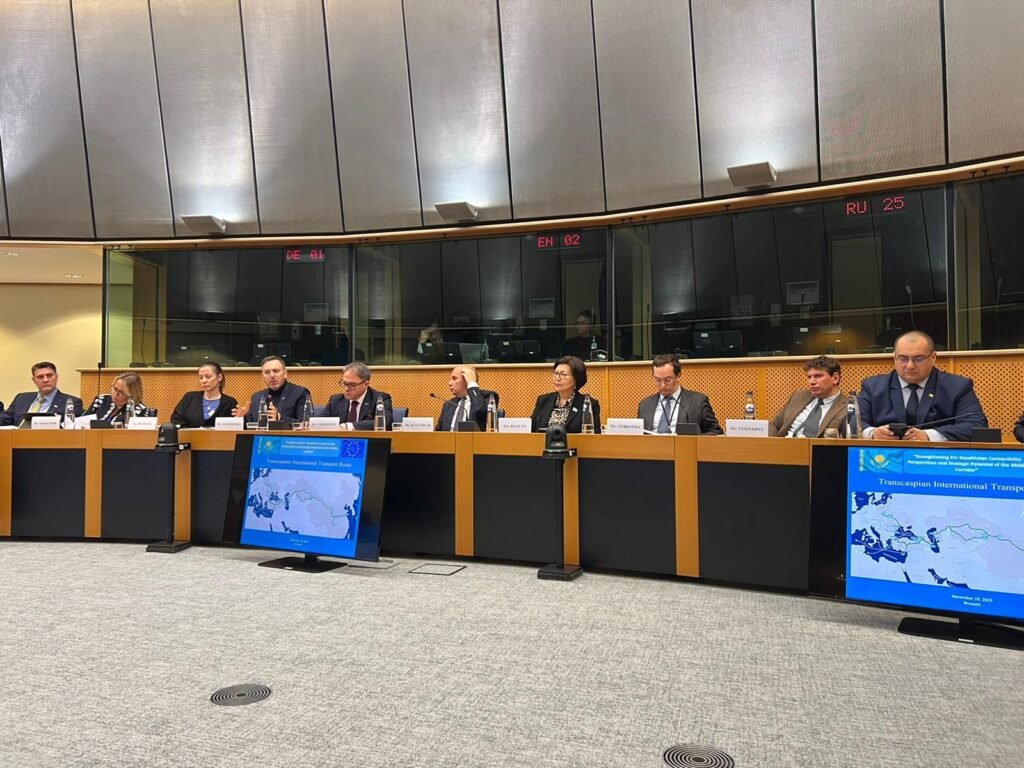
MEP Sergey Lagodinsky highlighted that trust remains a key asset in EU–Kazakhstan relations. Aigul Kuspan, Chair of the Committee on International Affairs, Defense and Security of the Mazhilis, emphasised the importance of moving from strategic discussions to coordinated implementation.
The President of the Kazakhstan–EU Gateway raised a question about strategic relevance of the Port of Constanța as a key European entry point for strengthening the Middle Corridor. The meeting reaffirmed the growing partnership between Kazakhstan and the EU and their shared commitment to developing a modern and resilient connectivity architecture.